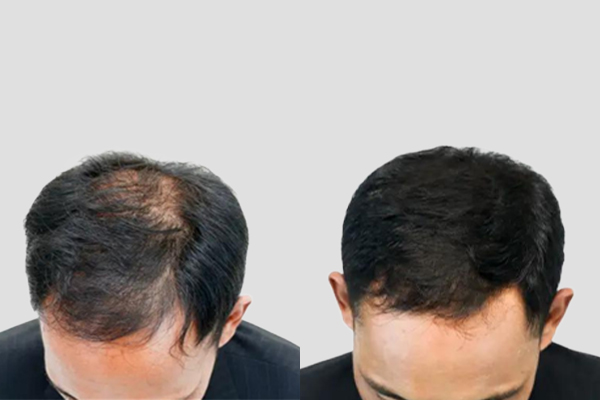
It’s quite common for men in their early 20s and 30s to notice changes at the front of the scalp and start wondering what they may mean. These changes may not always indicate ongoing hair loss. In some cases, they may reflect a natural shift as the hairline settles into its adult position, while in others, they may be associated with a gradual receding pattern.
The challenge is that early changes in a maturing hairline and a receding hairline may look quite similar, which is where most confusion may begin. Understanding what may be happening may help reduce unnecessary worry and support a clearer perspective over time. Let’s understand this in more detail.
Understanding Maturing Hairline vs Receding Hairline
Before trying to interpret changes at home, it may help to understand what each term generally refers to.
What is a Maturing Hairline?
A maturing hairline may refer to a natural shift in the hairline that often happens after puberty, usually in the late teens or early 20s.
It may:
- Move slightly backward in a slow and even manner
- Create a soft “M” or mild “V” shape
- Remain stable after the initial change
- Maintain overall density behind the hairline
In many cases, this type of change may not progress further and can remain stable for years.
It is often considered part of normal adult development rather than an active hair loss process.
What is a Receding Hairline?
A receding pattern may be associated with ongoing changes in the hair follicles over time.
It may:
- Begin at the temples and slowly move backward
- Appear uneven on one or both sides
- Continue gradually over months or years
- Be accompanied by thinning at the frontal area
In some individuals, this pattern may be linked with early male pattern baldness hairline changes, although progression can vary widely depending on genetics and other factors.
Key Differences Between a Maturing Hairline and a Receding Hairline
Instead of focusing only on appearance, it may be more useful to observe how the hairline changes over time.
1. Stability over time
Maturing: may shift once and then remain steady
Receding: may continue changing gradually
2. Balance
Maturing: usually changes evenly on both sides
Receding: may affect temples more noticeably
3. Density behind the hairline
Maturing: thickness may stay relatively consistent
Receding: gradual thinning may appear at the front
4. Overall progression
Maturing: limited change after the settling phase
Receding: ongoing movement may be observed over time
These patterns are often reviewed when assessing general hairline stages in clinical settings.
Subtle Early Hair Loss Signs You May Notice
In the early phase, changes may be subtle and easy to overlook. Some possible early hair loss signs may include:
- Mild temple recession is developing slowly
- Slight increase in shedding during washing or brushing
- Hair at the front appears finer than before
- Hairline appearing slightly higher in certain lighting or photos
These observations may indicate early changes, although they do not necessarily confirm progression.
Why Hairline Changes May Occur
There is usually no single reason behind hairline changes. It may be a combination of factors working together.
These may include:
- Genetic sensitivity to hair loss patterns
- Hormonal influences, such as DHT sensitivity
- Natural maturation after puberty
- Stress or lifestyle factors in some individuals
- Normal variation in hair growth cycles
Because of this, hairline changes may differ greatly from one person to another, even within the same age group.
How You May Track Changes More Accurately
Checking the mirror daily may not give a clear picture, as lighting and angles can easily create confusion.
A more helpful approach may be:
- Comparing photos taken several months apart
- Using similar angles and lighting where possible
- Observing temple movement rather than only hairline shape
- Noting whether changes appear stable or continue over time
This time-based observation may often provide a clearer understanding than frequent self-checking.
When It May Be Worth Getting a Professional Opinion
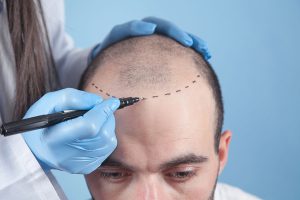
If you are unsure whether your hairline is maturing or gradually changing, a professional assessment may help provide clarity.
A consultation may include:
- Evaluating hair density across different areas
- Assessing frontal and temple patterns
- Reviewing family history and genetic factors
- Observing whether changes appear stable or progressive
Quick Summary
A maturing hairline may change slightly and then stabilise.
A receding hairline may continue to change gradually over time.
Both may start in a similar way, which is why early stages may often feel confusing.
If You Are Unsure About Your Hairline
Noticing changes and unsure if it’s a maturing hairline or early hair loss signs?
You may consider booking a consultation at Hair Transplantation to discuss your concerns and understand your hair changes over time.