Hair Loss Treatment Specialists in Melbourne
Assessment and Treatment Options for Hair Loss
Hair loss can affect both men and women and may occur gradually or suddenly depending on the underlying cause. Some individuals notice increased shedding, while others experience thinning hair, reduced density, or progressive hair loss over time. Because hair loss can have multiple causes, a professional clinical assessment at a hair loss clinic is important before considering treatment options.
At Hair Transplantation Clinic in Melbourne, Dr. Eeshara Vithana could help with one-to-one clinical assessments and treatment recommendations based on your hair loss pattern, medical history, and treatment goals.
What You Need to Learn About Hair Loss
The average person naturally sheds hair each day as part of the normal hair growth cycle.
When hair shedding exceeds normal levels or hair growth slows, visible thinning or hair loss may occur.
Common signs include:
- Receding hairline
- Crown thinning
- Widening hair part
- Reduced hair density
- Excessive shedding
- Patchy hair loss
Early assessment may help identify the underlying cause and available treatment options.
What Causes Hair Loss?
- Genetic Factors
- Hormonal Factors
- Autoimmune Conditions
- Nutritional Deficiencies
- Medical Conditions and Medications
- Hair Loss Treatment Options
- Medical Management
- Lifestyle and Nutritional Assessment
What Causes Hair Loss?
- Genetic Factors
Genetic hair loss is one of the most common causes of hair thinning in both men and women.
- Hormonal Factors
Hormonal changes associated with ageing, pregnancy, menopause, or medical conditions may contribute to hair loss.
- Autoimmune Conditions
Conditions such as Alopecia Areata may result in patchy hair loss affecting the scalp or other areas of the body.
- Nutritional Deficiencies
Low iron levels, inadequate protein intake, and other nutritional factors may contribute to hair thinning.
- Medical Conditions and Medications
Certain illnesses, medications, and medical treatments may affect the hair growth cycle.
- Hair Loss Treatment Options
Treatment recommendations vary according to the cause and severity of hair loss.
- Medical Management
Evidence-based medical treatments may be recommended for suitable candidates following clinical assessment.
- Lifestyle and Nutritional Assessment
Addressing nutritional deficiencies, stress, and other contributing factors may form part of a comprehensive treatment strategy.
Hair Transplant Surgery
ANY SURGICAL OR INVASIVE PROCEDURE CARRIES RISKS. BEFORE PROCEEDING, YOU SHOULD SEEK A SECOND OPINION FROM AN APPROPRIATELY QUALIFIED HEALTH PRACTITIONER.
Hair transplantation may be considered for suitable candidates experiencing stable patterns of hair loss.
What Does Hair Loss Transplant Involves?
Hair transplant surgery when done from a specialist could involve relocating healthy hair follicles from a donor area to areas affected by hair loss or thinning.
Patient seeking treatment in Melbourne may be considered for:
- Male pattern hair loss
- Female hair loss
- Hairline recession
- Crown thinning
- Scar-related hair loss
- Donor hair availability
- Hair loss pattern
- Scalp health
- Individual treatment objectives
Not all individuals experiencing hair loss will be suitable candidates for transplantation.
FUE Hair Transplant
ANY SURGICAL OR INVASIVE PROCEDURE CARRIES RISKS. BEFORE PROCEEDING, YOU SHOULD SEEK A SECOND OPINION FROM AN APPROPRIATELY QUALIFIED HEALTH PRACTITIONER.
Follicular Unit Extraction (FUE) involves extracting individual follicular units and transplanting them into treatment areas.
This approach does not involve removing a strip of scalp tissue.
FUT Hair Transplant
ANY SURGICAL OR INVASIVE PROCEDURE CARRIES RISKS. BEFORE PROCEEDING, YOU SHOULD SEEK A SECOND OPINION FROM AN APPROPRIATELY QUALIFIED HEALTH PRACTITIONER.
Follicular Unit Transplantation (FUT) involves removing a strip of donor tissue and preparing individual grafts for transplantation.
The most appropriate technique depends on the individual’s circumstances and treatment goals.
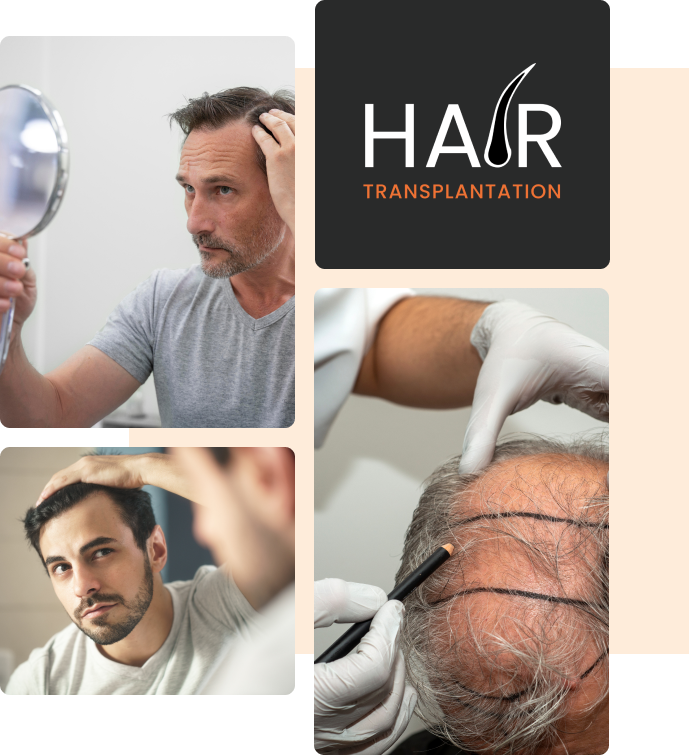
A Glance at Alopecia Treatment
Hair loss caused by alopecia may require a different management approach depending on the type of condition.
Examples include:
- Alopecia Areata
Patchy hair loss caused by autoimmune activity.
- Alopecia Totalis
Complete loss of scalp hair.
- Alopecia Universalis
Loss of hair across the scalp and body.
Treatment recommendations vary depending on the diagnosis and severity of the condition.
How to Prevent Hair Loss?
Hair loss prevention strategies depend on the underlying cause.
Potential approaches may include:
- Early assessment of hair thinning
- Managing nutritional deficiencies
- Medical management where appropriate
- Monitoring hair loss progression
- Addressing underlying health conditions
Professional assessment can help determine appropriate management options.
Why Consult for Hair Loss Treatment?
Dr. Eeshara Vithana can help plan your hair loss surgical or medical treatment with assessments and treatment planning.
Our approach focuses on:
- Individualised treatment recommendations
- Evidence-based treatment planning
- Comprehensive consultations
- Patient education and informed decision-making
- Ongoing support throughout treatment
Every treatment recommendation is tailored to the individual’s circumstances and treatment goals.
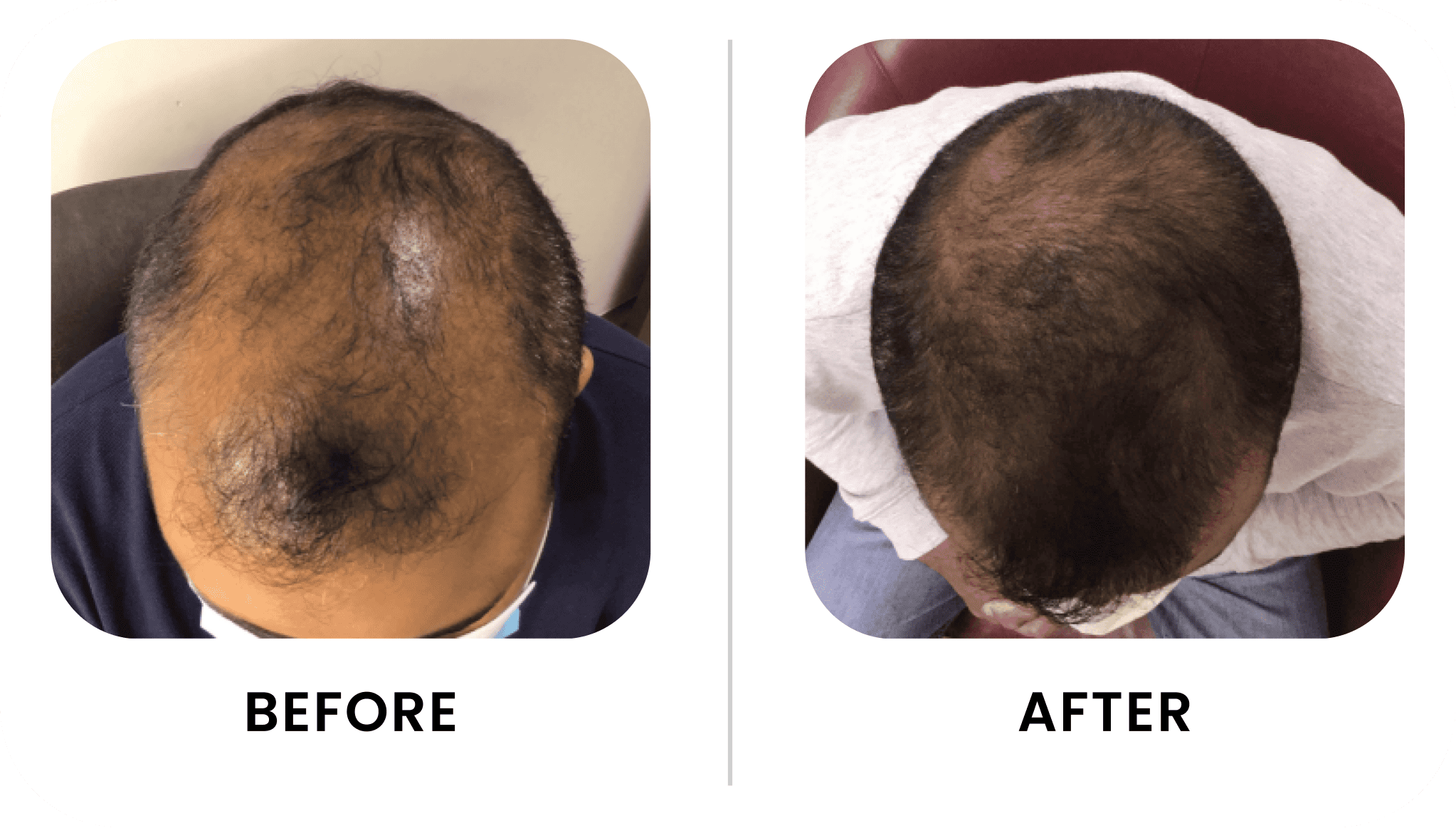
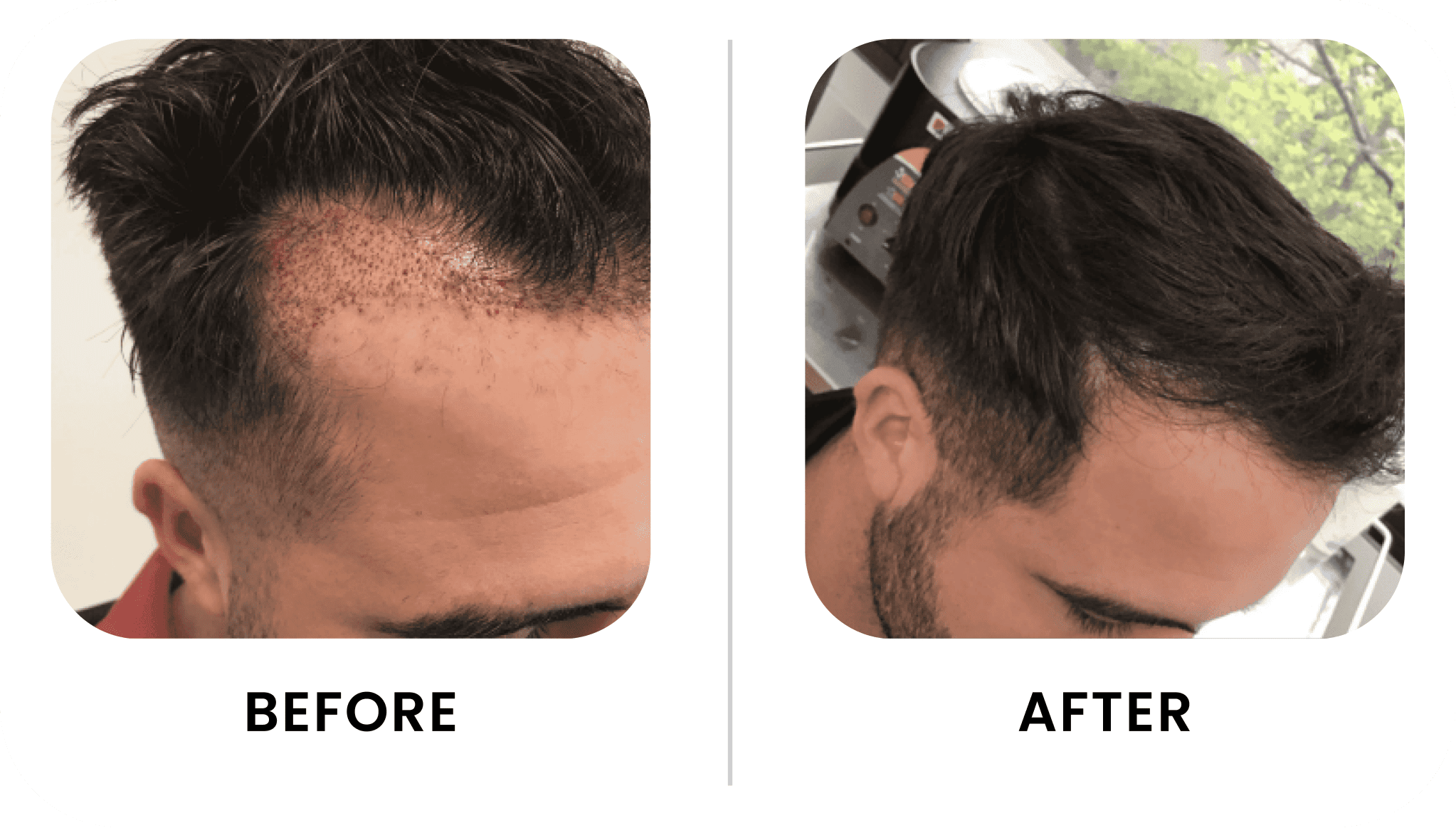
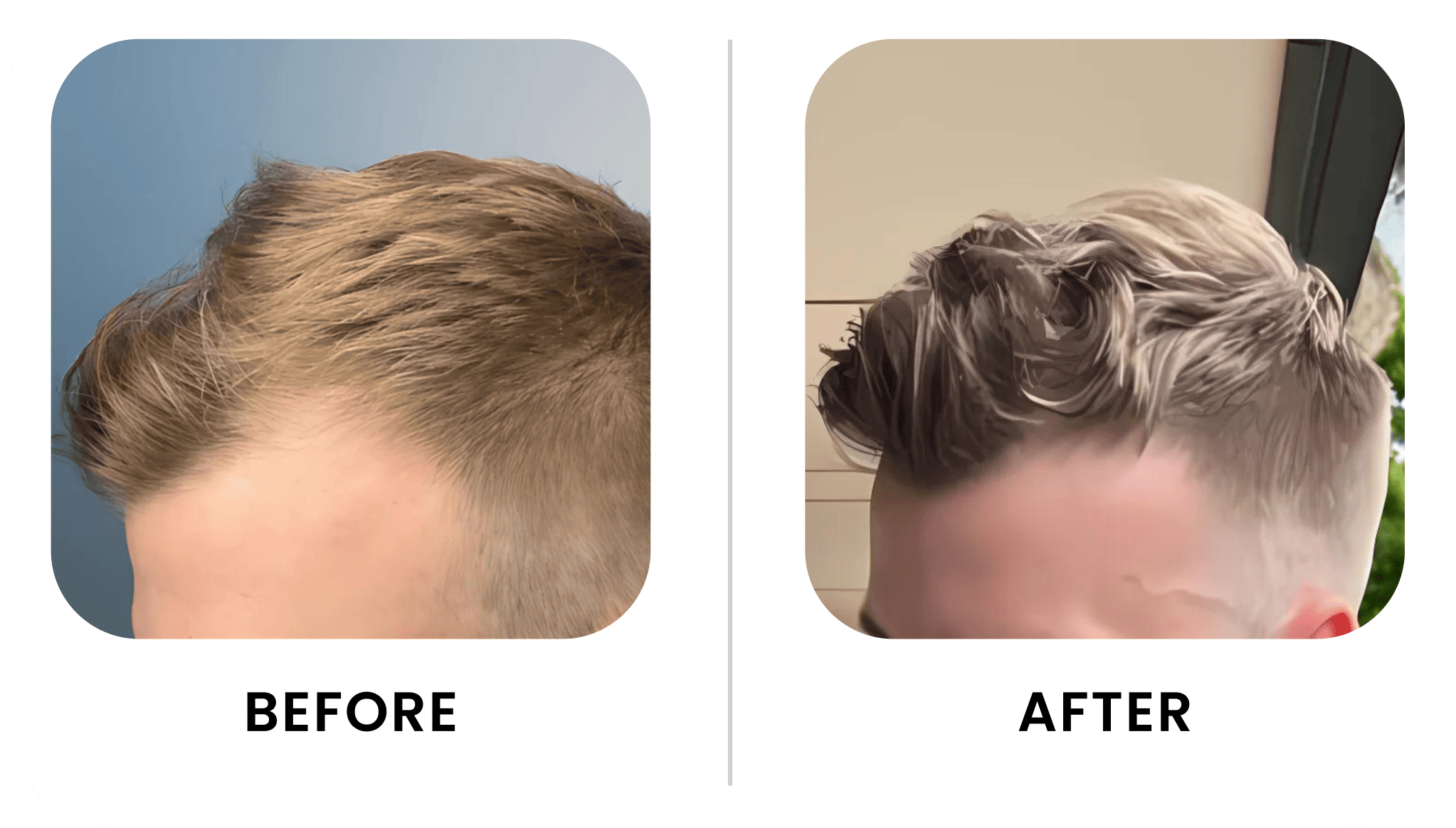
Before & After Hair Transplant
Explore the remarkable transformation of our clients through a captivating visual journey showcasing their hair restoration journey, from before to after their life-changing hair transplant procedures. Witness the stunning results that have boosted confidence and redefined their look.
Frequently Asked Questions
Hair loss can occur for a variety of reasons, including genetic factors, hormonal changes, nutritional deficiencies, autoimmune conditions, medical conditions, certain medications, and lifestyle factors. A consultation can help determine the underlying cause of hair loss and whether treatment may be appropriate.
If you notice increased hair shedding, thinning hair, a receding hairline, widening of the hair part, or reduced hair density, an assessment may help identify the cause and discuss available treatment options.
Treatment options to restore hair loss could vary depending on the cause, severity, and progression of hair loss. Available options in a city like Melbourne may include medical management, hair transplant surgery, lifestyle modifications, or a combination of approaches.
Treatment options may be considered for various forms of hair loss, including:
- Male pattern hair loss
- Female pattern hair loss
- Hairline recession
- Crown thinning
- Traction alopecia
- Some forms of scar-related hair loss
Treatment recommendations depend on the underlying diagnosis.
Treatment timelines vary depending on the treatment approach and individual factors.
For hair transplant procedures, transplanted hair typically follows a natural growth cycle, with growth developing gradually over time.
Individual outcomes and timelines vary.
Yes. Treatment options are available for both men and women experiencing hair loss.
The most appropriate treatment depends on the cause of hair loss, medical history, hair characteristics, and individual treatment goals.
The ability to prevent hair loss depends on the underlying cause.
Early assessment may help identify contributing factors and management options that may be appropriate for your situation.
Frequently Asked Questions
Hair loss can occur for a variety of reasons, including genetic factors, hormonal changes, nutritional deficiencies, autoimmune conditions, medical conditions, certain medications, and lifestyle factors. A consultation can help determine the underlying cause of hair loss and whether treatment may be appropriate.
If you notice increased hair shedding, thinning hair, a receding hairline, widening of the hair part, or reduced hair density, an assessment may help identify the cause and discuss available treatment options.
Treatment options to restore hair loss could vary depending on the cause, severity, and progression of hair loss. Available options in a city like Melbourne may include medical management, hair transplant surgery, lifestyle modifications, or a combination of approaches.
Treatment options may be considered for various forms of hair loss, including:
- Male pattern hair loss
- Female pattern hair loss
- Hairline recession
- Crown thinning
- Traction alopecia
- Some forms of scar-related hair loss
Treatment recommendations depend on the underlying diagnosis.
Treatment timelines vary depending on the treatment approach and individual factors.
For hair transplant procedures, transplanted hair typically follows a natural growth cycle, with growth developing gradually over time.
Individual outcomes and timelines vary.
Yes. Treatment options are available for both men and women experiencing hair loss.
The most appropriate treatment depends on the cause of hair loss, medical history, hair characteristics, and individual treatment goals.
The ability to prevent hair loss depends on the underlying cause.
Early assessment may help identify contributing factors and management options that may be appropriate for your situation.