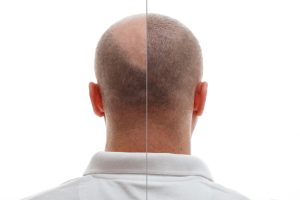
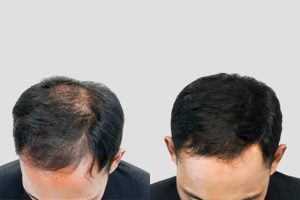
Hairline changes are often one of the first noticeable signs of hair loss. For many people, seeing their hairline change can be concerning and may raise questions about what’s causing it. A receding hairline is a common change that can affect both men and women. While ageing may play a role, factors such as genetics, hormones, and lifestyle habits could also contribute.
In this blog, we’ll explore the possible causes, early signs, and available treatment options.
What Is a Receding Hairline?
A receding hairline typically refers to a gradual shift of the hairline backward from the forehead over time. It may start around the temples and become more noticeable as hair density changes.
You might notice:
- Thinning near the temples
- Less hair around the forehead
- A change in the shape of your hairline
- More of your scalp becoming visible
- Hair loss that seems to progress gradually over time
For some men, this can create an “M-shaped” hairline. For women, changes may appear as thinning along the front of the scalp or a wider part line. However, everyone’s experience can be different.
What Causes a Receding Hairline?
There’s rarely just one reason why a hairline begins to move back. In many cases, several influences may overlap and contribute at the same time. Some of the more common factors include:
- Genetics – Family history is often considered one of the strongest influences on hair loss patterns.
- Hormonal changes – Sensitivity to hormones such as DHT could affect hair follicles and influence growth cycles.
- Ageing – Natural changes in the body may sometimes reduce hair thickness and density over time.
- Tight hairstyles – Regular tension from braids, ponytails, buns, or extensions could place stress on the hairline.
- Lifestyle and health factors – Stress, nutritional gaps, certain medications, and some medical conditions may occasionally play a role in hair loss.
Early Signs of Hairline Recession
You might notice changes that seem subtle at first but gradually become more visible over time. Some of the early signs may include:
- Slight thinning at the temples
- A hairline that appears higher than before
- An emerging “M”‑shaped or uneven hairline
- More hair shedding during washing or brushing
- Reduced volume around the front of the scalp
- Greater scalp visibility in bright lighting or photographs
These changes do not always indicate permanent hair loss, but they may be worth discussing with a healthcare professional if they continue or become more noticeable.
Can a Receding Hairline Be Prevented?
Preventing a receding hairline may not always be possible, particularly when genetics are involved. However, some habits could support overall scalp and hair health.
These may include:
- Eating a balanced diet that contains key nutrients
- Managing stress where possible
- Avoiding excessive heat styling and harsh chemical treatments
- Reducing tension from tight hairstyles
- Seeking medical advice if hair loss appears sudden or unusual
While these steps may support healthy hair growth, they might not prevent hereditary hair loss from developing or progressing.
Treatment Options for a Receding Hairline
Treatment for a receding hairline may vary depending on the cause, the extent of hair loss, and individual circumstances. What works for one person may not necessarily be suitable for another, which is why professional assessment is often recommended.
Lifestyle and Medical Management
Sometimes, addressing underlying factors may form part of a broader hair management plan.
This could involve:
- Reviewing nutritional intake
- Investigating potential medical conditions
- Managing stress levels
- Assessing medications that may contribute to hair shedding
In some situations, improving overall health may help support hair growth and scalp health.
Hair Loss Treatments
There are a number of non-surgical treatments that may be considered for hair loss, including:
- Topical treatments
- Prescription medications (where appropriate)
- PRP therapy
- Laser or light therapy
The most suitable option may depend on the cause and extent of hair loss. A healthcare professional could discuss the potential benefits, limitations, and suitability of different treatments based on your individual circumstances.
Hair Transplant Procedures
For some people, a hair transplant may be an option for managing hair loss.
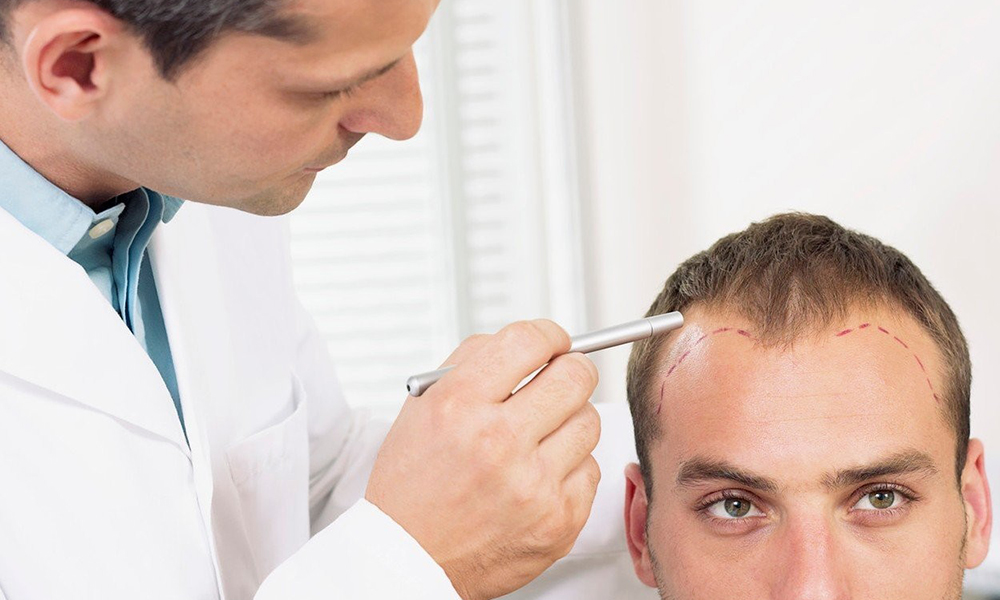
A common method is Follicular Unit Extraction (FUE), where hair follicles are moved from one part of the scalp to another. The procedure uses your existing hair to help improve coverage in areas affected by hair loss.
A consultation with a qualified healthcare professional may help you understand whether a hair transplant may be suitable for you.
When Is a Hair Transplant Considered?
A hair transplant may be discussed when:
- Hair loss appears relatively stable
- Adequate donor hair is available
- Other management options have been explored
- The individual understands the potential benefits and limitations of the procedure
A thorough assessment is usually required before determining whether the procedure may be appropriate.
Receding Hairline vs Mature Hairline
A change in hairline might worry some people, but it isn’t always the same as hair loss that continues to progress.
A mature hairline is often described as a normal, age-related change that may occur in adulthood. It may sit slightly higher than a youthful hairline but is often stable.
A receding hairline, by comparison, may continue moving backward over time and could be accompanied by ongoing thinning around the temples or frontal scalp.
Because the difference may not always be obvious, professional evaluation might help clarify what’s happening.
Concerned About a Receding Hairline?
If you’ve noticed changes in your hairline, it may be helpful to seek professional advice. You may book a consultation with the team at Hair Transplantation. During your visit, we can discuss your concerns, assess your hair loss, and explain the treatment options that may be available to you.