

Hairline changes are often one of the first noticeable signs of hair loss. For many people, seeing their hairline change...
Read MoreWhy Is My Hair Falling Out? 10 Common Causes of Hair Loss in Men and Women
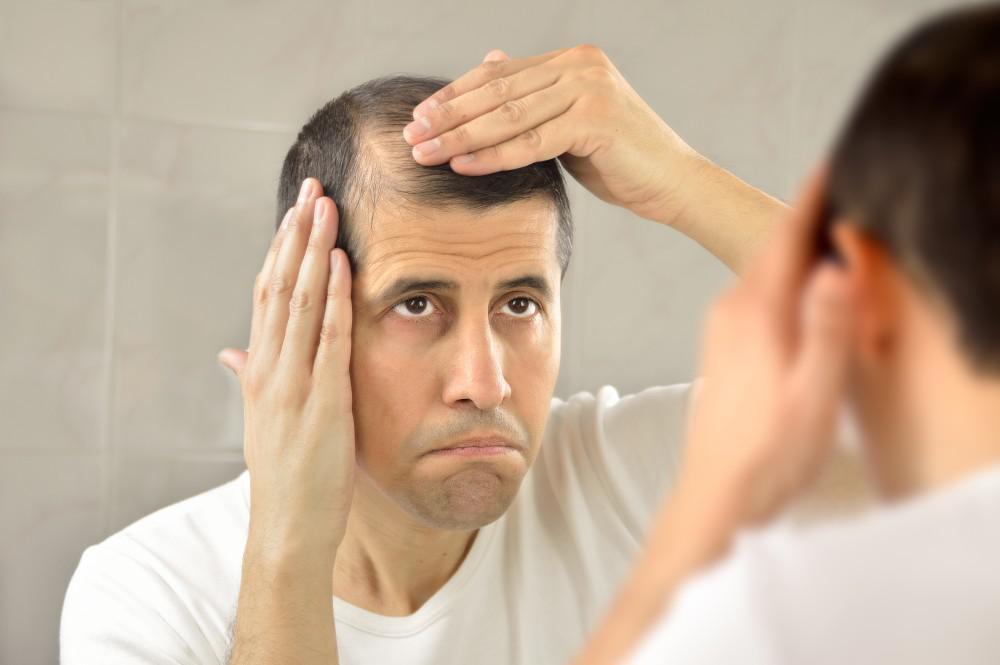
Finding extra hair on your pillow or in the shower can feel unsettling. For some, thinning happens slowly; for others, it may seem sudden.
Hair loss is common in both men and women. It may be linked to genetics, hormones, stress, nutrition, certain health conditions, medications, or ageing.
Knowing what could be contributing is often the first step toward exploring ways to manage it. This guide looks at common causes, when professional advice may help, and options that might sometimes be considered
What Is Hair Loss?
Hair loss, also called alopecia, is when you start losing more hair than usual or notice your hair looking thinner. It can happen slowly over time or sometimes quite suddenly, depending on what’s causing it.
Hair grows in a natural cycle with four stages:
- Growth phase (Anagen)
- Transition phase (Catagen)
- Resting phase (Telogen)
- Shedding phase (Exogen)
When this cycle gets disrupted, you may shed more hair than normal or notice it takes longer for new hair to grow back. Over time, this can sometimes lead to thinning.
How Much Hair Loss Is Normal?
Shedding loose hair does not automatically mean something is wrong. Losing between 50 and 100 strands a day is generally considered a normal part of the body’s natural renewal process. In most people, this daily shedding often goes unnoticed because new hairs may continue to grow as others are shed.
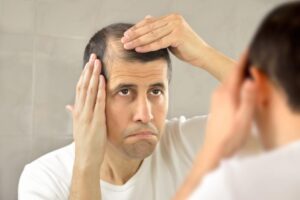
However, if you start finding clumps of hair on your hairbrush, notice a widening part line, or develop what seems like a receding hairline, it could potentially indicate that your hair is shedding at an accelerated rate.
10 Common Causes of Hair Loss
Pinpointing what is driving your hair thinning often involves considering a mix of health, lifestyle, and genetic factors. Here are ten common reasons why hair may thin out in both men and women.
1. Hereditary Hair Loss
For many people, genetics may play a role in how their hair changes over time. If close family members have experienced hair thinning, you may have inherited a similar tendency.
This type of hair loss, often called androgenetic alopecia, could develop gradually over many years. Hair follicles may become more sensitive to certain hormones, which can sometimes lead to finer and shorter hair growth over time.
Men may notice:
- A receding hairline
- Thinning around the crown
- Gradual loss of hair density
Women may notice:
- Overall thinning across the top of the scalp
- Reduced hair volume
- A widening part line
The way hereditary hair loss appears can vary considerably from person to person.
2. Hormonal Changes
Hormones play an important role in hair growth. Changes in hormone levels may sometimes affect the normal hair growth cycle.
This could happen during:
- Pregnancy
- After childbirth
- Menopause
- PCOS (polycystic ovary syndrome)
Some people may notice temporary shedding, while others could experience longer-term thinning.
3. Stress
Periods of physical or emotional stress may sometimes lead to increased hair shedding.
Possible triggers may include:
- Illness
- Surgery
- Emotional stress
- Rapid weight loss
- Major life changes
For some people, the shedding may not become noticeable until a few months after the stressful event.
4. Nutritional Deficiencies
Hair growth depends on a variety of nutrients. If your body is low in certain vitamins or minerals, hair thinning may sometimes occur.
Nutrients that could play a role include:
- Iron
- Vitamin D
- Zinc
- Vitamin B12
- Protein
5. Thyroid Problems
The thyroid gland helps regulate many functions in the body. When it is not working as expected, some people may notice changes in their hair.
Both an underactive and an overactive thyroid could sometimes be linked to hair thinning or increased shedding.
6. Autoimmune Conditions
Certain autoimmune conditions may affect the hair follicles.
For example, alopecia areata may cause patchy hair loss when the immune system mistakenly targets hair follicles.
The amount of hair loss can vary from person to person.
7. Certain Medications
Some medications may list hair thinning as a possible side effect.
This could include medications used for:
- High blood pressure
- Mental health conditions
- Autoimmune diseases
- Cancer treatment
If you think a medication may be contributing to hair loss, it may be worth discussing it with your healthcare professional.
8. Scalp Conditions
A healthy scalp may help support normal hair growth.
Conditions that could sometimes contribute to hair loss include:
- Seborrhoeic dermatitis
- Psoriasis
- Fungal infections
- Scalp inflammation
You may also notice symptoms such as itching, redness, or flaking.
9. Tight Hairstyles
Frequently wearing tight hairstyles may sometimes place stress on the hair follicles.
Examples include:
- Tight ponytails
- Braids
- Hair extensions
- Tight buns
Over time, this could contribute to a type of hair loss known as traction alopecia.
10. Ageing
As we get older, changes in hair growth may naturally occur.
Hair may become finer, grow more slowly, or appear less dense than it did in earlier years. These changes can happen gradually and may vary between individuals.
When Should You Be Concerned About Hair Loss?
It may be worth seeking professional advice if you notice:
- Sudden or rapid hair loss
- Patchy bald spots
- Persistent scalp irritation
- Significant thinning
- Hair loss associated with illness
- Changes that are affecting your wellbeing
Early assessment may help identify potential contributing factors.
Can Hair Loss Be Reversed?
Whether hair fullness may improve could depend on what’s causing the shedding. Some situations may improve when the underlying factor is addressed, such as:
- Nutritional deficiencies
- Hormonal imbalance
- Stress-related shedding
- Certain scalp conditions
Other causes, like hereditary pattern thinning, may be more ongoing and may require longer-term management. A clinician may help you understand which possibilities might fit your situation and what options could potentially be considered.
What Hair Loss Treatments Are Available?
Treatment recommendations vary depending on the individual and the cause of hair loss.
Potential management approaches may include:
- Medical Assessment
Identifying any underlying health conditions that may be contributing to hair loss.
- Lifestyle Modifications
Addressing factors such as nutrition, stress management, and sleep quality.
- Prescription or Non-Prescription Treatments
Certain medications may be considered appropriate for some individuals following medical assessment.
- Scalp Health Management
Managing inflammation or scalp conditions that could be affecting hair growth.
At Hair Transplantation, treatment recommendations are generally tailored to each person’s circumstances following a detailed assessment.
Hair Loss Treatments vs Hair Transplants
Some people wonder whether they should start with medication-based options or consider a transplant. This may depend on factors like:
- The type of hair loss
- How advanced the thinning is
- Donor hair density
- Your personal goals
- Any relevant health considerations
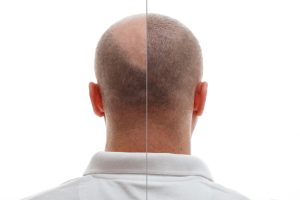
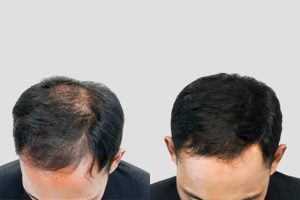
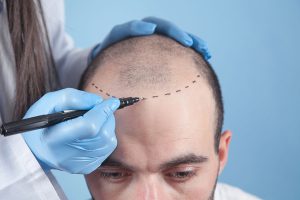
Medical options may sometimes help slow progression or support existing hair. A transplant may be an option for some people with more established pattern loss, but outcomes can vary, and no specific result can be guaranteed. A consultation may help clarify which options could fit best.
When Should You Book a Consultation?
If you’ve noticed hair loss or it’s starting to worry you, it may help to get professional advice.
A consultation may help with:
- Understanding possible causes
- Checking scalp health
- Reviewing your medical history
- Talking through possible treatment options
- Setting realistic expectations
Hair loss can happen for many different reasons. If you’re unsure, a consultation may help you get a clearer idea of what’s going on and what your options are.
The team at Hair Transplantation may offer guidance based on your individual situation and clinical assessment, and the final decision may remain with you.
Frequently Asked Questions
Most people may shed around 50 to 100 hairs each day. This is usually part of the body’s natural renewal cycle and often goes unnoticed.
Yes, stress could sometimes trigger temporary shedding, known as telogen effluvium. It may appear a few months after a stressful event.
In some cases, hair might regrow once the underlying factor is addressed, for example, stress or nutrition. However, not all types of hair loss improve naturally.
Some forms, such as hereditary hair loss, may be ongoing. Others, like stress‑related or nutrition‑related shedding, could improve when the cause is managed.
It may be worth seeking professional advice if hair loss feels sudden, patchy, or is linked with scalp discomfort, illness, or changes that affect your wellbeing.
Latest Post
-
 Receding Hairline: Causes, Early Signs and Treatment Options
 -
 Why Is My Hair Falling Out? 10 Common Causes of Hair Loss in Men and Women
 -
Hair Transplant vs Hair System: Which Hair Loss Solution May Be Right for You?
-
Maturing Hairline vs Receding Hairline: What You May Notice Over Time
-
How Many Hair Transplant Grafts Do You Actually Need?
Related Posts

6 Reasons to Consider a Hair Transplantation Surgery
Hair loss may present as scalp hair thinning, recession of the frontal hairline, or increased scalp visibility. These changes are...
Read More5 Signs You Need a Hair Transplant in Melbourne
Hair loss tends to happen slowly and can be affected by things like hormones, genetics, and age. What may start...
Read MoreReceding Hairline: Causes, Early Signs and Treatment Options
Hairline changes are often one of the first noticeable signs of hair loss. For many people, seeing their hairline change...
Read MoreWhy Is My Hair Falling Out? 10 Common Causes of Hair Loss in Men and Women
Finding extra hair on your pillow or in the shower can feel unsettling. For some, thinning happens slowly; for others,...
Read MoreHair Transplant vs Hair System: Which Hair Loss Solution May Be Right for You?
Hair loss may feel personal at first, so many people may spend time researching options on their own before speaking...
Read MoreMaturing Hairline vs Receding Hairline: What You May Notice Over Time
It’s quite common for men in their early 20s and 30s to notice changes at the front of the scalp...
Read More