Hair brushing is a simple habit that’s part of many people’s daily routines. However, the way hair is brushed can influence its overall condition. While it helps remove knots and distribute natural oils from the scalp, improper brushing may sometimes contribute to hair breakage or damage over time.
Many people experiencing hair breakage or hair loss wonder whether their brushing habits could be contributing to the issue. Understanding the right hair-brushing techniques can help minimise unnecessary damage and support better scalp care.
This blog provides general information about hair care habits and is not a substitute for professional medical advice.
Understanding Hair Breakage During Brushing
Hair breakage during brushing is often caused by excessive tension on the hair. When a hair knot is pulled apart forcefully, the hair shaft can stretch and eventually snap.
Several everyday hair care habits can contribute to this type of damage. Brushing hair too aggressively, detangling large knots in a single motion, or brushing wet hair without care can weaken the hair structure. Over time, repeated stress on the strands can cause hair to appear thinner or uneven in length.
A common question is whether brushing itself causes hair loss. In most cases, brushing does not cause medical hair loss. However, improper brushing may lead to breakage, which can give the appearance of reduced hair volume.
The Role of Brushing in Scalp Health
Brushing your hair gently can be beneficial for the scalp. One advantage of brushing is that it helps distribute the natural oils from the scalp along the hair strands. These oils may help maintain moisture balance and improve the appearance of hair.
Some people ask whether brushing can stimulate hair growth. While brushing may lightly stimulate the scalp, it does not treat medical hair loss conditions. Hair growth is influenced by many biological and genetic factors, and any noticeable thinning should be assessed by a qualified healthcare professional.
Effective Brushing Practices for Healthy Hair
Adopting gentler brushing habits can help protect your hair from unnecessary damage.
- Start brushing from the ends
Instead of brushing from the scalp downwards, it is generally better to begin at the ends of your hair and gradually move upward. This approach allows tangles to be removed slowly without placing excessive tension on the roots.
- Use gentle, steady strokes
Brushing too quickly or forcefully may weaken hair fibres. Taking your time and using smooth, controlled strokes can help detangle hair while reducing the strain on the strands.
- Be careful while brushing wet hair
Wet hair is more fragile and tends to get damaged easily. If you need to detangle your hair after washing, using a wide-tooth comb or brush designed for wet hair can help minimise pulling and potential breakage.
- Avoid overbrushing
Another common question people ask is how often hair should be brushed. For most people, brushing just enough to detangle and style hair is sufficient. Excessive brushing throughout the day may create friction and stress the hair cuticle.
- Choose the right brush
Different brush styles can be beneficial for different types of hair. For thick or curly hair, brushes with flexible or widely spaced bristles may reduce pulling and make detangling easier.
Recognising When Hair Breakage Requires Professional Assessment
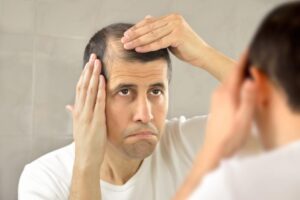
It is normal for anyone’s hair to break from time to time, especially when hair is exposed to various styling tools, chemical treatments, and environmental stress. However, persistent hair breakage or noticeable thinning may indicate an underlying concern.
There are many reasons why someone might consider seeking advice from a qualified professional, including:
- Hair breaking easily, even with gentle hair care
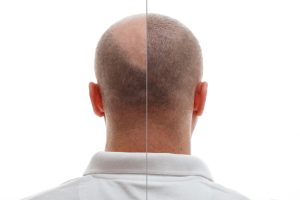
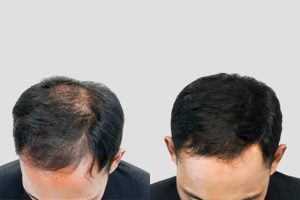
- Progressive thinning, especially on the crown and hairline
- Increased hair shedding daily
- Changes in scalp condition
Guidance at Hair Transplantation
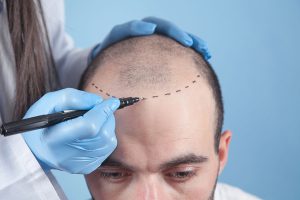
If you are experiencing ongoing hair breakage, thinning, or scalp concerns, a professional consultation can help identify possible causes and discuss suitable treatment options.
At Hair Transplantation, free, no-obligation consultations are available for anyone seeking further information or a clinical assessment. You can arrange a consultation to discuss your concerns and learn more about caring for your scalp, including brushing techniques that help protect your hair from breakage.