Hair loss tends to happen slowly and can be affected by things like hormones, genetics, and age. What may start as just a little thinning can gradually become more noticeable over time. For some people in Victoria, these changes may prompt them to discuss whether a hair transplant in Melbourne is appropriate with a registered health professional.
At Hair Transplantation, our team provides information and clinical assessment for individuals seeking to understand their options, particularly when non-surgical approaches have not met expectations. Below are five general indicators that may suggest it is appropriate to seek professional advice about hair loss.
1. Significant Recession of the Hairline
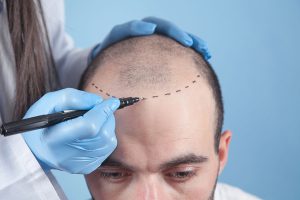
While changes in the hairline are a normal part of ageing, noticeable recession can influence facial appearance and confidence. Indicators may include:
- Adjusting hairstyles to conceal thinning
- Avoiding bright lighting or certain viewing angles
- Perceived changes in facial proportions
- Development of an “M” or “V” pattern at the temples
A professional assessment can help determine whether non-surgical care or a hair transplant in Melbourne may be appropriate. Our clinicians assess hairline progression and recommend options suited to each person’s pattern of hair loss.
2. Visible Thinning or Bald Patches
Some thinning is normal, but when the scalp becomes visible even on a good hair day, professional evaluation may be useful. Signs may include:
- Thinning at the crown seen in photos
- Reduced density across the mid-scalp
- Regular use of fibres or thickening sprays
- Hair losing volume despite a healthy lifestyle
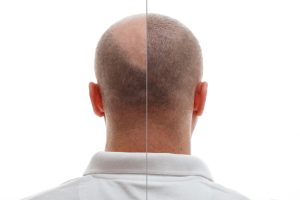
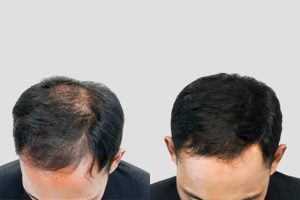
When thinning affects styling options, a transplant technique such as FUE may help improve density in suitable candidates. Suitability can only be determined during a consultation with a registered health professional.
3. Stabilised Hair Loss Pattern
Transplants generally achieve the most predictable results when hair loss has slowed down or follows a recognisable pattern. You may have noticed:
- Reduced shedding over the past year
- No recent expansion of thinning or balding areas
- Hair loss that is no longer rapid or unpredictable
- Consistent thinning patterns month to month
If your hair loss is stable, you may be ready to discuss whether a hair transplant in Melbourne is appropriate. At Hair Transplantation, our clinicians, who have more than 12 years of experience in dermatology and general practice, assess each person individually to determine what options may be appropriate.
4. Adequate Donor Hair Availability
Transplants require donor hair, usually from the back or sides of the scalp. Donor hair characteristics may include:
- Adequate density and coverage
- Hair thicker than the affected regions
- Consistent growth with minimal thinning
- Absence of significant scarring or patchy areas
A registered health professional can evaluate donor hair suitability using clinical examination and imaging. Not all individuals are candidates for transplantation.
5. Realistic Expectations Regarding Outcomes
FUE transplants can offer natural-looking results, but it takes time. People prepared for a transplant usually:
- Understand that new hair growth typically begins around 3–4 months
- Expect fuller results after 9–12 months
- Know that transplanted hair grows gradually
- Are willing to follow aftercare instructions carefully
It’s important to remember that a hair transplant redistributes existing hair and does not create unlimited new hair. Individual results may vary depending on hair characteristics, donor quality, and adherence to post-operative care.
Book a Consultation to Discuss Your Options
If you’ve noticed one or more of these signs, it may be the right time to explore your options. Book a consultation with our experienced team today and discover whether a hair transplant in Melbourne can help you regain confidence and restore your hair naturally. We offer free, no-obligation consultations to help you understand your choices.