
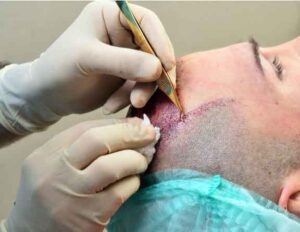
Thinking about restoring your hair but unsure about the hair transplant cost in Melbourne? You’re not alone. Hair loss doesn’t...
Read More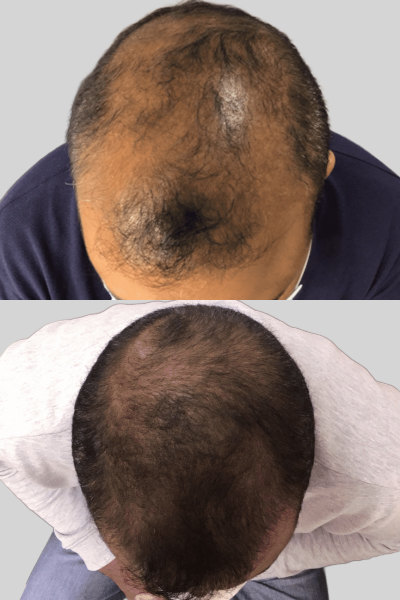
Top 7 Early Signs of Male Pattern Baldness
Hair plays a bigger role in confidence than most men like to admit. So, when your hairline begins to shift, or your hair starts to lose density, it’s often noticed early on.
What makes male pattern baldness challenging is how gradually it develops. The changes are subtle at first. A slight recession at the temples, a mild reduction in volume. Easy to overlook or attribute to temporary factors like stress or lifestyle.
However, these early changes are often the early signs of male pattern baldness.
Spotting these changes at an early stage matters. It allows for timely intervention and gives more control over how the condition progresses.
In this blog, we’ll walk you through the key signs to look out for, helping you identify changes early and make informed decisions about your hair health.
What Is Male Pattern Baldness?
Male pattern baldness, also known as androgenetic alopecia, is a common form of progressive hair loss. It is influenced by genetic predisposition and androgen activity, particularly dihydrotestosterone (DHT).
DHT affects susceptible hair follicles, primarily at the temples and vertex (crown), leading to gradual miniaturisation.
Over time, this results in:
- Reduced hair shaft diameter
- Shortened growth (anagen) phase
- Decreased hair density
- Eventual follicular inactivity in advanced stages
The condition typically follows a characteristic pattern, which can be clinically assessed and monitored.
What Early Signs Shouldn’t You Ignore?
The challenge is not spotting dramatic hair loss. It’s noticing the subtle shifts before it becomes obvious.
Here are the top 7 early signs of male pattern baldness:
1. A Receding Hairline
One of the most noticeable early signs of a receding hairline is when your temples begin to move backward.
- Creates an “M-shaped” hairline
- Often starts subtly on one side
- Can be mistaken for a “mature hairline”
2. Thinning at the Crown
This one is easy to miss because it’s not always visible from the front.
- Hair looks flatter at the back
- Friends or barbers may notice it first
- Appears more obvious in photos or under bright light
3. Increased Hair Shedding
We all shed hair daily, but a noticeable increase can be an early warning.
- More strands on your pillow
- Hair buildup in the shower drain
- Extra hair on your hands when styling
These are common male hair loss symptoms that shouldn’t be ignored.
4. Hair Feels Finer Than Before
Hair doesn’t just fall; it changes first.
- Strands feel thinner and softer
- Less volume when styling
- Hair struggles to hold shape
This is due to follicle miniaturisation.
5. Scalp Becomes More Visible
You may notice your scalp showing through more than it used to.
- Under bright light
- When hair is wet
- When styling with less density
This is one of the more visual early signs of male pattern baldness.
6. Slower Hair Growth
Hair that used to grow quickly may start lagging.
- Haircuts last longer
- Patchy regrowth
- Uneven thickness across the scalp
7. Itchy or Sensitive Scalp
Not always discussed, but worth noting.
- Mild irritation or itchiness
- Occasional inflammation
- Can be linked to hormonal activity affecting follicles
What Should You Do If You Notice These Signs?
There’s no need to jump to conclusions based on a single sign.
A more balanced approach:
- Monitor changes over time
- Take periodic photos for comparison
- Avoid relying solely on online assumptions
- Look for consistent patterns rather than isolated changes
When Should You Consider a Hair Health Check?
You may consider a professional assessment if:
- Changes persist over a few months
- Multiple signs appear together
- You want clarity on the cause
Early evaluation can help distinguish between temporary shedding and progressive hair loss. It also gives you a clearer understanding of possible next steps, whether that’s simple monitoring, preventive care, or, if appropriate, treatments such as FUE.
Next Step
If you’re noticing ongoing changes, a simple hair health check at a Hair Transplantation can provide clarity on what’s happening and whether any action is needed.
Even if no treatment is required, understanding your baseline can make it easier to track changes over time and make informed decisions later.
Frequently Asked Questions
It’s usually linked to genetics and hormones, which can gradually affect how hair grows over time.
It is very common. Many men experience some level of thinning as they age.
There isn’t a single permanent cure, but there are options that may help manage or improve the condition.
Yes, though it often presents differently compared to male pattern hair loss.
Related Posts
No posts found!
Top 7 Early Signs of Male Pattern Baldness
Hair plays a bigger role in confidence than most men like to admit. So, when your hairline begins to shift,...
Read More
Brushing Techniques That Protect Your Hair from Breakage
Hair brushing is a simple habit that’s part of many people’s daily routines. However, the way hair is brushed can...
Read More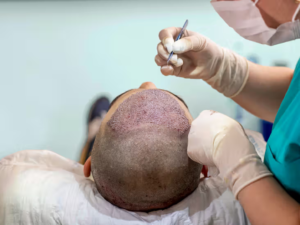
FUE Hair Transplant Explained: A Complete Guide to the Procedure, Process and Outcomes
If you are experiencing hair loss or hair thinning, you are not alone. Many individuals seek medical advice to understand...
Read More