

Hair brushing is a simple habit that’s part of many people’s daily routines. However, the way hair is brushed can...
Read More
6 Reasons to Consider a Hair Transplantation Surgery
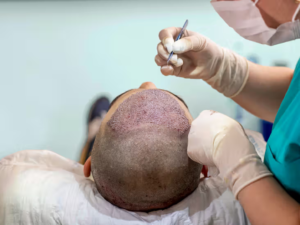
Hair loss may present as scalp hair thinning, recession of the frontal hairline, or increased scalp visibility. These changes are common and may affect some individuals’ psychosocial well-being. Hair transplantation surgery may be considered as one management option following assessment by a suitably qualified health professional.
Individuals in Melbourne may seek consultation at Hair Transplantation for clinical assessment and procedural information. Consultations are focused on medical history, hair loss pattern evaluation, and informed decision-making. Procedural suitability is determined based on factors including hair loss progression, donor site availability, scalp condition, and overall health status.
If you are exploring whether this option may be appropriate for you, the following six points outline commonly discussed considerations.
1. Use of the Patient’s Own Hair Follicles
Hair transplantation surgery involves relocating a patient’s own hair follicles
- Donor follicles are usually taken from areas less affected by hair loss
- Using your own hair reduces the likelihood of immune-related complications
- Transplanted follicles are placed among existing hair
This method is intended to support natural integration with surrounding hair.
2. Involves Established Surgical Methods
Contemporary hair transplantation surgery commonly uses Follicular Unit Extraction (FUE), a technique documented in clinical literature.
- Performed under local anaesthesia
- Individual follicular units are removed rather than a strip of scalp
- Designed to reduce the likelihood of noticeable scarring when performed appropriately
FUE is generally regarded as minimally invasive when carried out by trained medical practitioners in an appropriate clinical environment.
3. Consideration of Progressive Hair Loss
Hair loss often continues over time, which is considered during clinical planning. Assessment may include:
- Donor hair density and scalp condition
- Potential future patterns of hair thinning
- Strategic graft placement to support longer-term coverage
This planning aims to maintain a natural appearance as hair density changes.
4. Individualised Assessment for Different Hair Loss Patterns
Hair loss can present differently between individuals, and management plans may reflect this. Assessment may include consideration of:
- Male and female pattern hair loss
- Receding hairlines
- Thinning crowns or widening part lines
- Beard or eyebrow hair restoration
- Hair loss related to scars or trauma
Tailored planning supports outcomes that are proportionate to individual features and existing hair patterns
5. Recovery Considerations
Recovery experiences vary between individuals, but procedures are generally planned to minimise disruption.
- Typically performed under local anaesthesia
- Post-procedure discomfort is usually temporary
- Aftercare instructions are provided to support healing
- Follow-up appointments may be recommended to monitor recovery and follicle integration
Recovery timelines and experiences are discussed during consultation.
6. Long-Term Management
Hair transplantation surgery is often considered as part of a broader hair management approach.
- Donor follicles are selected following clinical assessment
- Ongoing monitoring may be recommended to review scalp and hair health
- Additional management options may be discussed where appropriate
Hair transplantation is one of several options available for managing progressive hair loss and is considered on an individual basis.
Guidance at Hair Transplantation
Hair Transplantation supports people by providing information and clinical guidance about hair transplantation surgery. The focus is on helping individuals understand their options so they can make informed decisions.
Free, no-obligation consultations are available for those seeking further information or a clinical assessment. You may arrange a consultation to discuss your concerns and learn more about potential management pathways.
Frequently Asked Questions
There is no specific age requirement. Suitability is determined through clinical assessment rather than age alone.
The timing of showering is advised by the treating clinician based on individual recovery.
Specific hair care products may be recommended for a limited period. Advice is provided as part of post-procedure care.
The appearance of hair density varies between individuals. Outcomes depend on multiple clinical factors and cannot be predicted or guaranteed.
Older people may be considered for hair transplantation surgery. Age alone is not the deciding factor. Suitability is determined after clinical assessment by a qualified practitioner.
Related Posts
No posts found!
FUE Hair Transplant Explained: A Complete Guide to the Procedure, Process and Outcomes
If you are experiencing hair loss or hair thinning, you are not alone. Many individuals seek medical advice to understand...
Read More
6 Reasons to Consider a Hair Transplantation Surgery
Hair loss may present as scalp hair thinning, recession of the frontal hairline, or increased scalp visibility. These changes are...
Read More
5 Signs You Need a Hair Transplant in Melbourne
Hair loss tends to happen slowly and can be affected by things like hormones, genetics, and age. What may start...
Read More