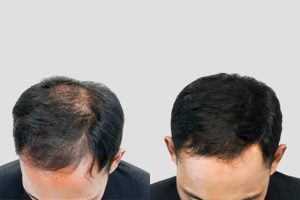
A Practical Guide to Hair Transplant Eligibility
Hair loss often does not occur in one dramatic moment. It typically develops gradually over time. You may notice more scalp in bright light, a slightly changing hairline in photographs, or styling your hair feeling different compared with before. At some point, curiosity may turn into a practical question:
“Could a hair transplant be an appropriate option for me?” Suitability is not based only on how much hair has been lost. It is generally assessed through a combination of hair loss pattern, likely cause, progression over time, donor hair quality, and overall health factors. Expectations also play an important role.
This guide outlines the common factors that may be reviewed during a clinical evaluation and when a professional opinion may be appropriate.
How Hair Loss Patterns Are Assessed
Why Pattern Hair Loss Matters
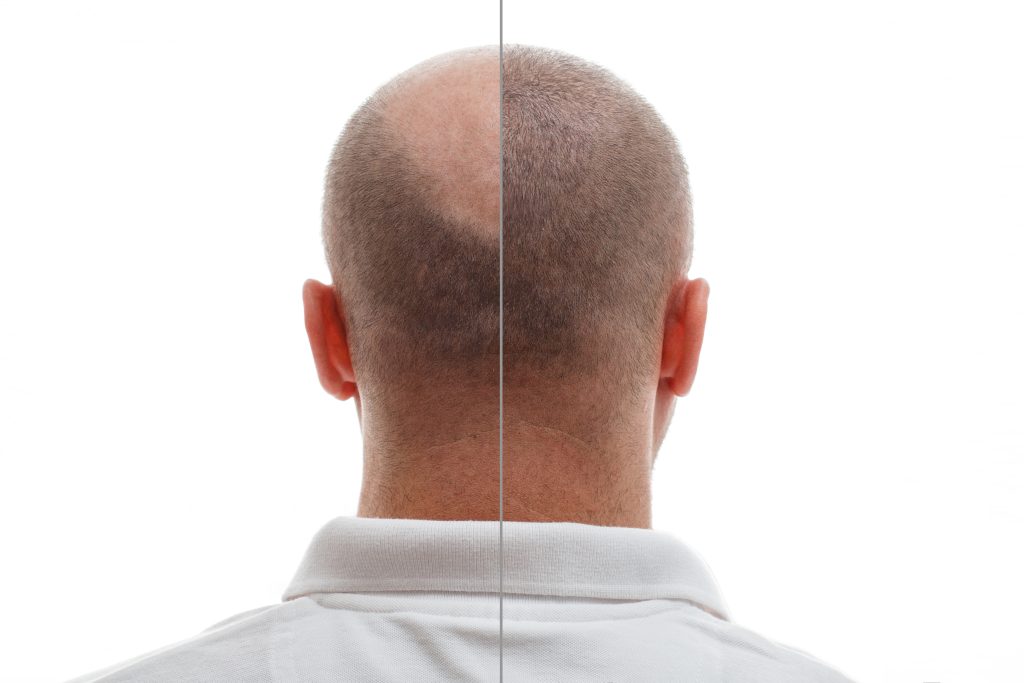
Most people who consider hair transplantation experience androgenetic alopecia, commonly known as pattern hair loss. This condition typically follows a gradual and recognisable pattern over time.
You may notice
- Recession at the temples or hairline
- Thinning at the crown or top of the scalp
- A gradual reduction in overall density
- Changes that occur slowly rather than suddenly
Why this matters: Understanding the likely pattern and progression of hair loss is often an important part of planning discussions. This helps guide what options may be considered over time.
In some cases, clinicians may also discuss approaches aimed at supporting ongoing hair maintenance before considering surgical options.
When It May Be Helpful to Seek an Assessment
Not every period of hair shedding or stress-related hair change means surgery is appropriate. However, noticing certain patterns may help you understand whether hair loss could be long-term.
You may consider a professional assessment if you notice:
- Gradual thinning developing over months or years
- Increased scalp visibility under bright or overhead lighting
- Hair strands becoming finer, shorter, or losing pigmentation
- A family history of pattern hair loss
- Progressive recession at the temples or thinning at the crown
- Minimal improvement despite consistent hair care or lifestyle changes
- A growing sense that your hair loss pattern is becoming predictable rather than temporary
The key point: Seeking an assessment does not mean you need a hair transplant. It simply helps you understand what may be happening and discuss possible options with a qualified clinician.
How Hair Transplant Suitability Is Typically Assessed
Hair transplant suitability is typically based on multiple factors assessed together.
Hair restoration procedures are generally considered in cases where hair loss follows a recognisable pattern.
- Donor hair characteristics
The donor area, usually the back and sides of the scalp, is one factor that may be assessed for density and stability.
The progression of hair loss may be reviewed over time, as ongoing changes can influence planning discussions.
Scalp conditions, such as inflammation or infection, may be considered as part of overall suitability and timing.
General health and medical history may be reviewed as part of standard procedural planning.
Expectations are an important part of consultation discussions. Hair restoration procedures may improve density in selected areas, but outcomes vary between individuals.
- Medications and risk factors
A clinician may review medications or supplements that could affect bleeding or healing as part of a safety assessment.
Understanding the process, recovery period, and possible variability in outcomes may form part of pre-procedure discussions.
What You May Do Next
If you are noticing ongoing changes in hair density, a clinical assessment may help clarify the underlying cause and guide appropriate management options.
A consultation may include discussion of:
- Medical treatments to help slow or stabilise hair loss
- Non-surgical management options where appropriate
- Whether surgical treatment is suitable at your current stage
- Long term planning if hair loss is ongoing
You may consider seeking advice if:
- Hair loss appears to be gradually progressing
- Temple or crown thinning is becoming more noticeable
- You would like an assessment of donor hair suitability
- The cause of hair changes is unclear
Key Takeaway
Suitability Depends on Multiple Factors
A suitable candidate is not defined only by hair loss level. It is about having the right balance between hair loss pattern, donor supply, scalp condition, health, and realistic expectations.
You may attend a consultation at Hair Transplantation, which may help clarify whether a hair transplant is appropriate at present or whether other management approaches may be considered.